
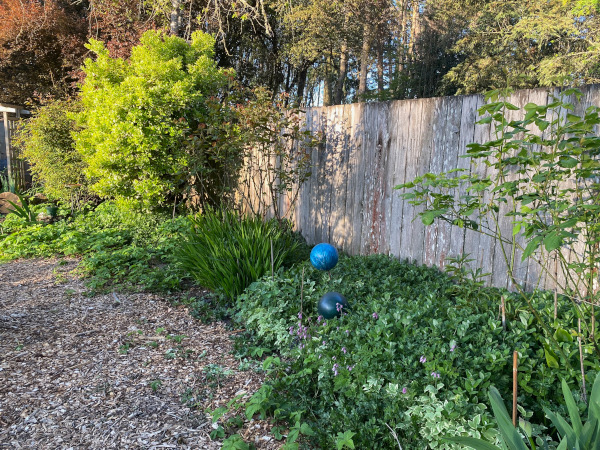
Ranunculus repens is not a friendly plant. It doesn’t want to make friends. It wants to spread across your garden like a green rash that will never go away. It wants to make your garden its forever home. It wants to follow you down every garden path. It never leaves you alone.
It doesn’t smell good. It doesn’t look good. It is poisonous.
I have several garden enemies. Note I do not call them weeds. “One gardener’s beloved ground cover is another gardener’s weed” I have, by moving my garden 400 hundred miles away, nearly eliminated the wicked bind weed. That was a drastic measure. But buttercup is another matter.
Perennial, tenacious roots, fast growing, tolerant to zone 3a (- 40˚).
Organic gardeners beware. Weeding, planting competitive species, depriving water or floodingdoesn’t get rid of buttercup. (You may have some success if you till your garden three times a year. Difficult if you grow ornamental perennials like I do.) NEVER try to use the pulled-plants as mulch. It loves to live. It can live in full sun and full shade. It is proud of its ability to break through ground cloth. It will come after your strawberries, wooly thyme, wild dicentra, lady’s mantle, violets.
Where did it come from? Outer space? I used to entertain an origin story about a well-meaning pioneer bringing a plant to the United States from an English garden and things just got out of hand. However its origin is even worse than that. Ranunculus repens has been on earth for millions of years. It has managed to survive since the Eocene epoch. My personal theory is that it lived through the Cretaceous period as dinosaur fodder and survived the asteroid-caused extinction event
 This history will dishearten even the most determined gardener.
This winter in Oregon, as I watched near-record rainfall, I knew my battle was over. I had lost. Big time. My back, and my knees, even assisted by my garden bench and hori hori knife, said no more.
Compromise is needed. Personal negotiation. Détante.
Buttercup is here to stay. It is a pleasant green ground cover, even though I still wince when I see it and when guests come over I have to stifle an apology for my laziness. The yellow flowers are visited by numerous types of pollinators. The plant’s understory provides habitat for garter snakes, beetles, earthworms, butterfly and moth larvae. Which also provide food for towhees, robins and juncos. My body thanks me, and I’ve had to forgive myself for failure.
I give some thanks to the Xerxes Society (pollinator protectors extraordinaire) and the cultural resurrection of Ruth Stout’s gardening books.
Now to go out there and plant beans.
1 thought on “How I Made my Peace with Buttercup”
could be an invading alien that rode in on the asteroid.