
The Unique New Harmony
In the beginning of the pandemic, my husband Jeff and I wanted to keep up our travelling hobby, but do it safely. So we started driving to small towns within 100 miles of our home in Indianapolis, lunching in a downtown diner, taking photos of 19th Century bank buildings and main streets, and researching their histories. Now we’re assembling all these accounts into a book about the wonders and the weirdnesses of Indiana towns.
I bet you’re thinking, “But isn’t Indiana really boring?” Well, yeah, our premise is, if we can find all these intriguing places and people in such a boring state, imagine what YOU can find within a couple hours in your more interesting region!
This past weekend, we visited what would be a fascinating spot no matter what state it was in– New Harmony. This is one of the cutest and oldest towns in Indiana, founded in 1814 along the Wabash River on the western edge of the state. This is now a tiny town of about 700, but has had outsized importance to the history of the state because of its two early founders, George Rapp and Robert Owen.
Both these men were spiritual revolutionaries, but their missions were radically different. George Rapp was a Lutheran minister who broke away from the German church in the 1780s. Robert Owen was a Welsh socialist and trade unionist dedicated to improving work and education conditions for the poor. What these two men shared was a belief in the possibility of creating a utopian community, though for Rapp this was just a waystation on the route to eternity.
In his youth, Rapp trained as a winemaker and weaver. But his true vocation came when he became a “pietist” influenced by the spiritual philosophy of visionaries like Swedenborg. By 1790, he had proclaimed himself a prophet, drawing as many as 12,000 followers to his new sect. This led the religious and authorities in Germany to threaten prosecution, so in 1803, he took his most dedicated followers to America, which he called “Israel” or the promised land. He established a new community in Pennsylvania called Harmony, built for the purpose of perfecting believers to be ready for the Second Coming.
Rapp had some unorthodox beliefs which probably limited the appeal of his movement. He taught that Adam was a “hermaphrodite” or intersex, possessing the genitals of both sexes. Disharmony and exile from Eden came after Eve was created out of the female aspects of Adam. He believed that the only way to return to harmony and purity was to avoid sex altogether. Rapp didn’t come to this revelation until he’d already had two children, and after that, celibacy was a recommendation, not a rule, for his society.
Rapp’s Harmony Society was an interesting combination of extreme pietism and New-Age communism. “Harmonists” pooled all their resources, lived and worked communally, and agreed to submit to the spiritual authority of Rapp and his fellow leaders. They believed that the second coming was imminent, and that celibacy was the best way to purify themselves for the rapture. Celibacy tends to doom a sect eventually, but for a couple generations, at least, the Rappites persisted and spread to the edge of the frontier (that is, the Wabash River).
Oddly, this religious sect was very good at making money. After a few years, Rapp sold the Pennsylvania community to the Mennonites for 10 times what he paid for it, and used the money to develop another Harmony, a new town on 20,000 wooded acres on the banks of the Wabash. Following the efficient and thrifty example of their leader, the “Rappites” established a wool-carding and spinning factory, tannery, sawmill, and a steam-powered threshing mill. Apparently their puritanical approach to sex didn’t carry over to spirits, as they started a brewery, distillery, and vineyard.
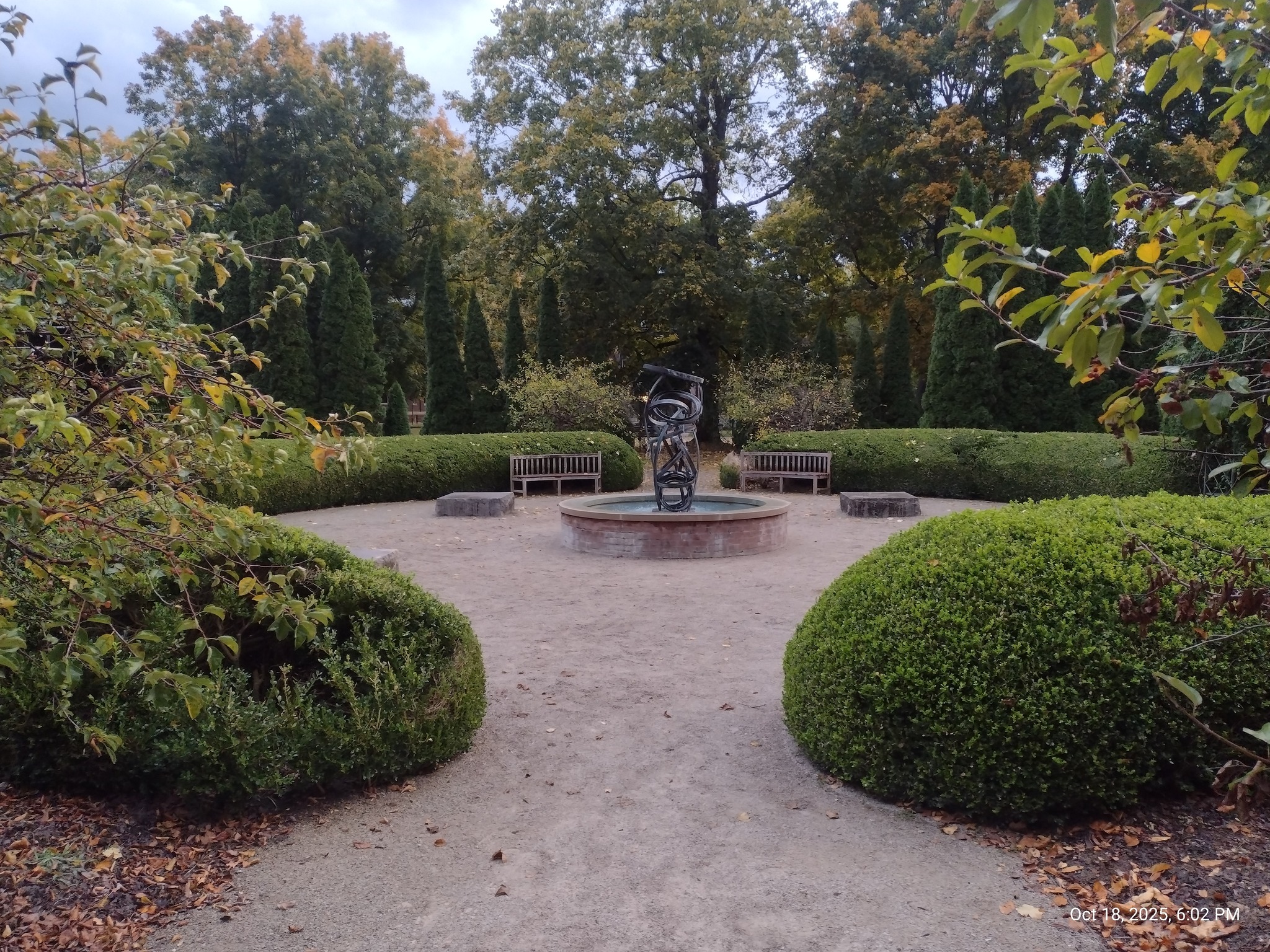
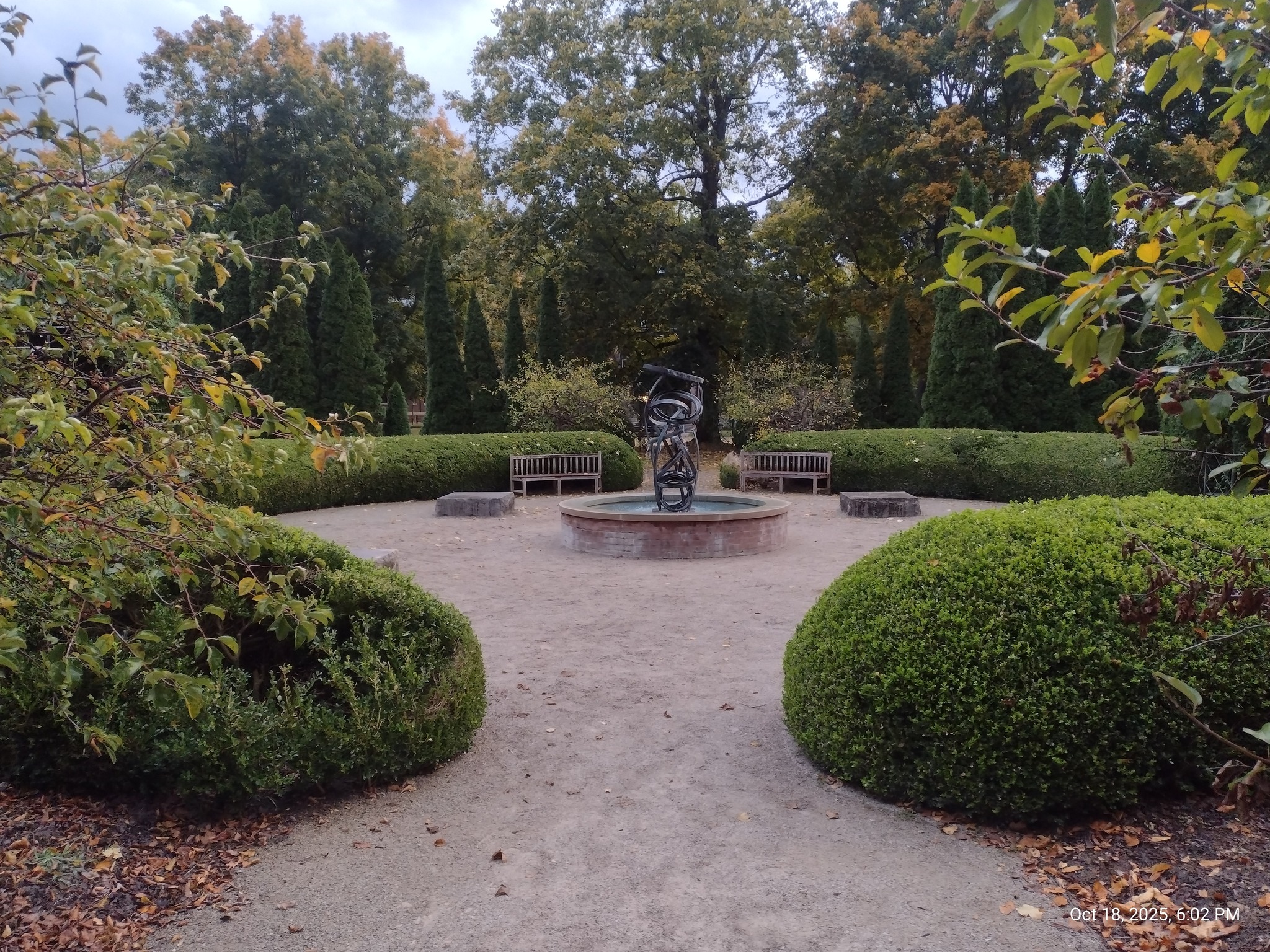
They also designed the lovely town square, which still exists, with a church, stores, and cottages for the residents. Soon Harmony was dubbed “the most beautiful town in the West.”
The townspeople had something of a socialist system, sharing their labor and goods. But the Harmony couldn’t last. As word of the town’s prosperity and generosity spread back in Germany, the town was flooded with migrants, who were less industrious and less respectful to the Rapp family. The town continued to thrive economically, but Rapp didn’t appreciate the influx of lazy grumbling newcomers.
Abandoning his experiment, he gathered up the most faithful and took them back up the Ohio River to found another town, Economy, near Pittsburgh. The Harmony Society continued until 1906, but eventually went the way of most celibate communities, unable to create new members from inside, or attract converts from the outside.
The NEW New Harmony
But Rapp’s desertion wasn’t the end of the New Harmony story. He sold the town of New Harmony and the adjacent acreage to Robert Owen for the enormous sum of $150,000. And that began another curious era in the New Harmony story. Owen was a true icon of the early 19th C— born in Wales in 1771, trained in the craft of draper, enriched during the very start of the Industrial Revolution, and migrating to the new world with new ideas.
He was also something of a contradiction. He became rich in Manchester and Scotland as a textile factory owner. Textile factories were often horrible places, what poet William Blake referred to as “these dark Satanic Mills.” Because they took business away from the craftsmen and small businesses that had traditionally supplied cloth, these new mills were the instigation for the Luddite rebellions. But Owen was a different type of factory owner. He supported trade unionism, public schooling, and aid for the poor. The entrenched class system of Great Britain made his new brand of socialism difficult to enact. And capitalism is so often antagonistic to compassionate ideals. The need to succeed led this advocate for child protection laws to become the employer of 500 children.
The New World must have seemed a good solution to his moral paradox. Indeed, he saw the frontier as a potential spot for a verdant utopia based on socialist and communitarian principles. Fortunately, by 1824, he had enough cash to buy the ongoing utopian site from George Rapp, and moved with his children and some followers to the deserted town.
Owen was one of the first important socialist activist in the US, and was welcomed by what was still a very new nation. In 1825, he outlined his socialist vision in an address to Congress, attended by three former presidents (Adams, Jefferson, Madison), the current president (Monroe), and the incoming president (Adams II).
Despite this early ballyhoo, the New Harmony utopia didn’t last long. Within two years, Owen returned to Britain, and his sons weren’t able to make much success of the community. However, several of his children stayed in the town, and three became important Hoosiers—the Congressman Robert Dale Owen, and the US Geologist David Dale Owen, and another geologist Richard Dale Owen, who was a founder and first president of Purdue University.
Other “Owenite” communes started up in the Midwest (novelist Anthony Trollope’s mother joined one in the 1850s!), but none survived much longer than New Harmony. As early Harmonite Josiah Warner put it: “We had a world in miniature – we had enacted the French revolution over again with despairing hearts instead of corpses as a result.” He went onto establish his own political philosophy of “individual anarchism,” stressing perhaps contradictory principles of equitable distribution, private property, and “time-based currency,” where monetary value is based on units of work-time.

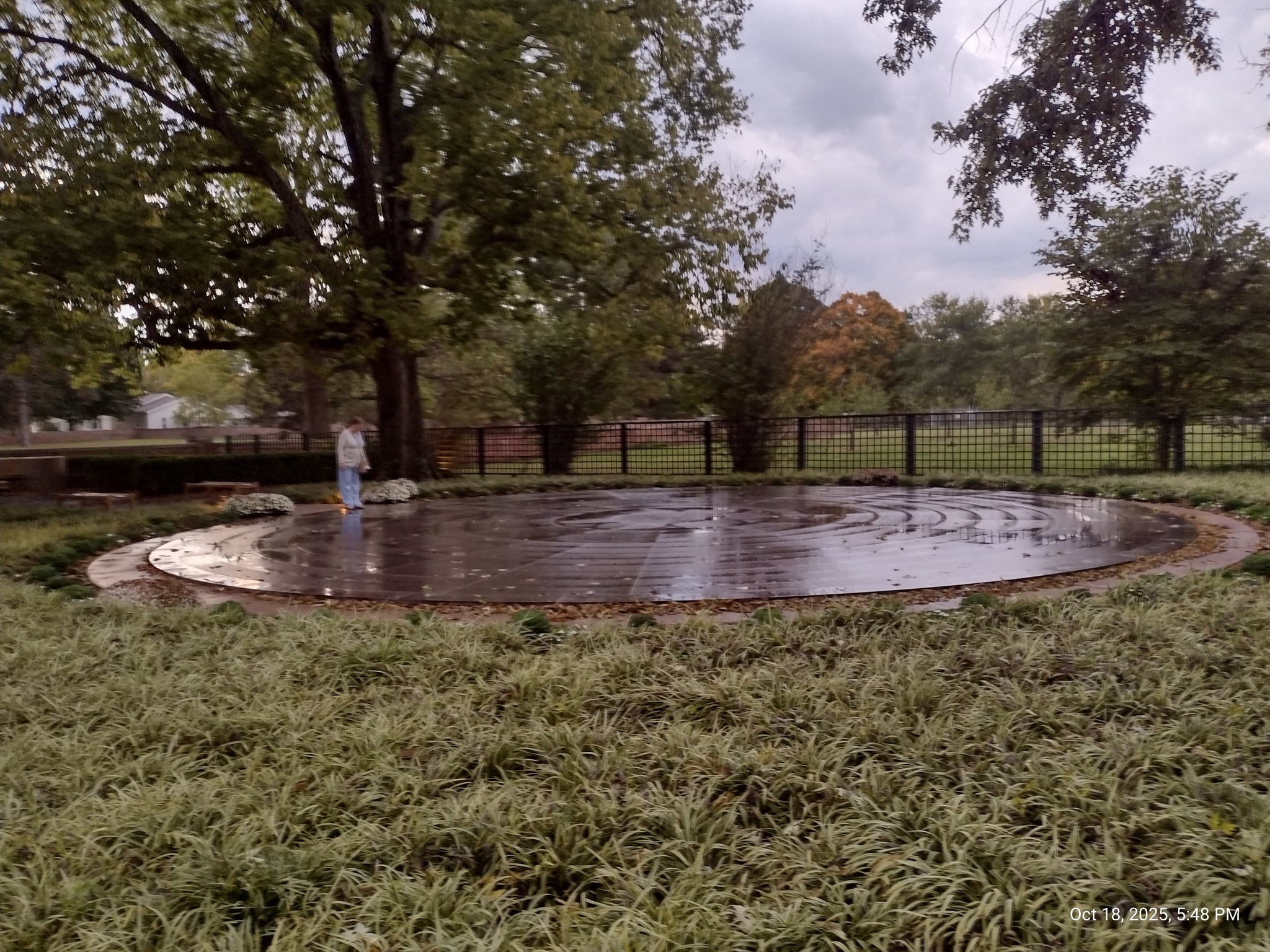
While Owen’s New Harmony proved unfeasible, his ideas for the ideal community are still used as the basis for experimental communities around the globe. And New Harmony remains a center for spiritual seekers. There’s a labyrinth for meditation, and a retreat center along the riverbank.
What was it about this pretty town on the river that attracted such visionaries? What made both Rapp and Owen look out over the forest and imagine a socialist paradise?
Whatever here in the wilderness sparked their spiritual imaginations, they left a legacy behind. The past is very much here in the present-day New Harmony. In fact, Rapp and Owen descendants are still active in preserving their ancestors’ legacies, funding new art installations and modern architecture projects.
The place to start exploring this odd but splendid religious town is the Harmonist Cemetery with 2000-year-old mounds left by even earlier inhabitants, Native Americans from the Middle Woodland Period. There are no gravestones because the Harmonists didn’t believe in marking graves. Nearby is the Harmonist Labyrinth, designed for meditative walks, and the historic district with its 200-year-old brick buildings. One majestic and ancient place is the Thrall’s Opera House, which started out as the Harmonists’ dormitory.
In all there are 33 Harmonist structures from the early 19th century, including the 1818 Rapp-Owen Granary, which milled grain and wool for the colony, and the 1100-foot rope walk along the cemetery wall, used by the settlers to stretch, dry, and twist hemp into rope.
Today we can wander through New Harmony and find spiritual places that combine the unadorned attitude of the Rappite Harmonists with the proto-hippie expressions of the Owenites. Newer structures echo the spiritual longing of the 19th Century seekers. Newer structures are the roofless church (a walled park designed by Philip Johnson in 1960), and the Richard Meier-designed Atheneum (1979), now the tourist center overlooking the Wabash.
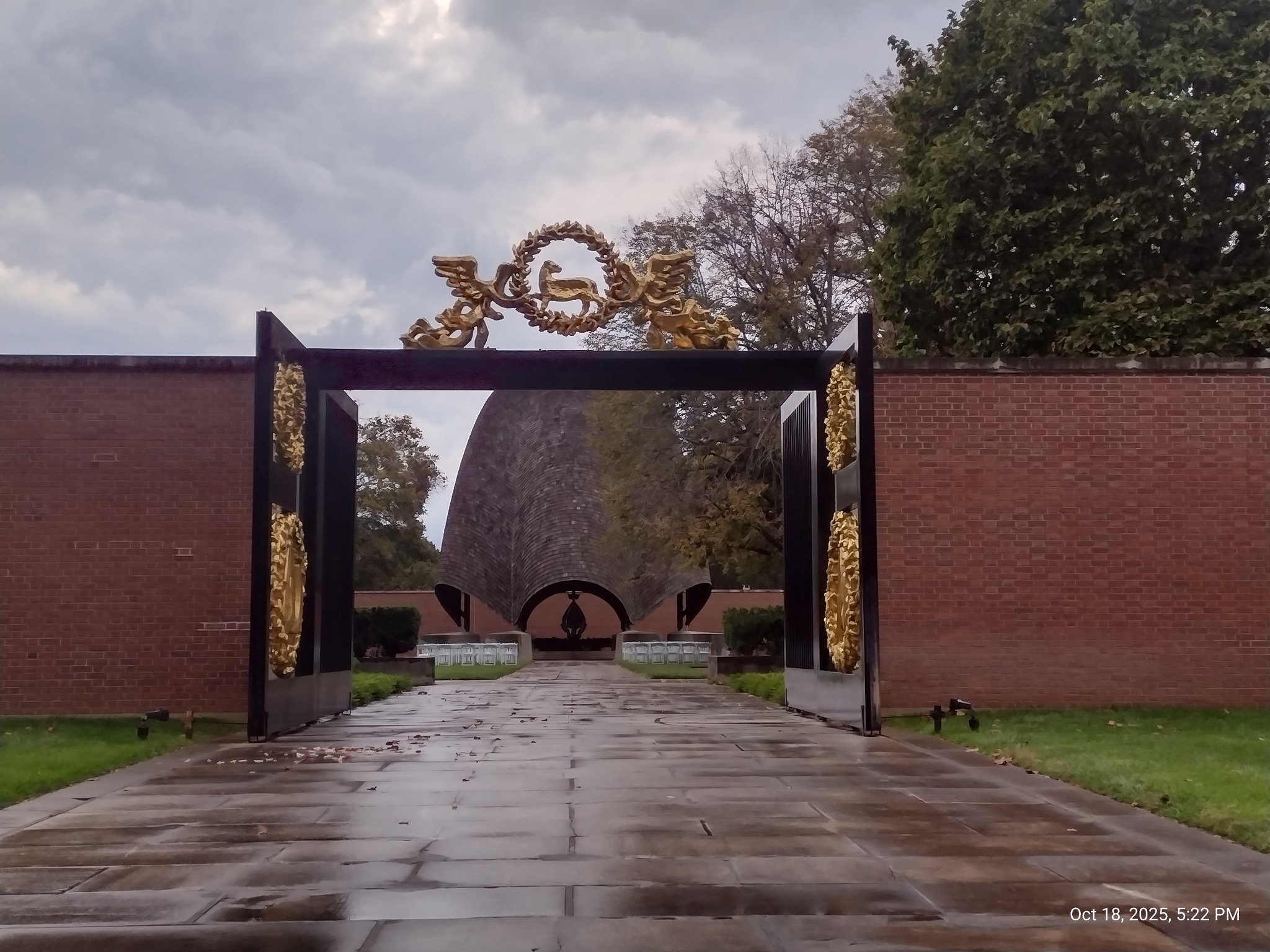
All this history, and architectural and natural beauty—that’s New Harmony today.
https://en.wikipedia.org/wiki/New_Harmony,_Indiana
2 thoughts on “Temporary Utopia: The Lovely New Harmony commune”
My husband and I used to take a lot of day trips around Oregon and southern Washington. Age and infirmity have slowed us down and reduced our driving distance. But photos and memories are still strong. I may have to dig some of them out.
Oregon has its own Utopia in the town of Aurora on the Pudding River. Its story is similar to New Harmony and many other Utopias. A strong charismatic leader founds the place, usually with a spiritual base. Then when he dies or retires his successors open communication with the outside world. New ideas, new people, telegraphs and trains take over and break the community, usually within a generation. Now Aurora is wall to wall antique stores and a very good museum, visitors center.
Pudding River! What a great name. Aurora sounds lovely, really. I like going into antique stores and getting something small. I’m collecting blue willow plates now, so that’s what I look for.