
 Not when you’re on a diet.
I first had this at my sister-in-law’s wedding. It blew my tiny mind. The caterers told me how to make it. It’s criminally easy and will bring phyllo dough into your life to the detriment of your waistline. If it isn’t already there.
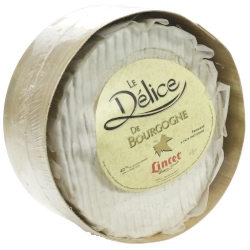
I prefer a rich, soft cheese such as Delice de Bourgogne or St. André, which technically are brie blends with sinfully-extra cream products, or a mushroom brie, which packs an extra flavor punch. For bread, try a French baguette, sourdough, Italian, or black bread cottage loaf.
A loaf of tough, strong-tasting bread, diced or torn for dipping
¼ to ¾ lb brie cheese at room temp
Phyllo dough leaves (in the freezer department of your grocery)
Melted butter
Preheat oven to 350 degrees F or hotter.
Butter a baking dish about twice to three times the volume of your piece of brie.
Lay one or two leaves of phyllo dough out on a large clean surface. Brush the top surface lightly with melted butter.
Wrap the cheese in the dough, one layer at a time, using melted butter as a glue when folding.
Try not to break the dough at the corners: it has to seal in the melted cheese. If the dough is breaking, it is probably too old and dry. You can sometimes revive dry phyllo dough by laying damp paper towels over it for a minute or two.
Repeat the preceding step until there are three or four layers of phyllo dough on the cheese. Brush the outside of the phyllo wad with melted butter.
Bake in the buttered casserole at 350 or hotter (up to 425 is probably okay) until the dough is browned. Sometimes the dough will pop open and the cheese will melt and run out before the dough browns; this looks gross but it’s edible. Ideally, you have browned crust and runny cheese, but runny cheese means it’s done.
Serve immediately – oven to table. Hack up the cheese bundle with a big sharp knife and dip the bread chunks straight into the casserole. Fingers, yes! Careful, it’s hot.