Women in literature

Have you forgotten? Or just forgot? A “Pondian Dispute”. (The “Pond” is the Atlantic Ocean.)

Years ago, when I and the internet were much younger, I was in an internet group with other romance writers.  Back then, youngsters, there was no Web, just networks of servers and users connected through landline phone modems and FTP file transfers– AOL, Compuserve, Prodigy, and so on. Genie was the corporate network for General

Have you forgotten? Or just forgot? A “Pondian Dispute”. (The “Pond” is the Atlantic Ocean.) Read More »

The Longest Letter Ever: Tenant of Wildfell Hall

The Longest Letter Ever: Tenant of Wildfell Hall I’ve been reading one of the Bronte novels, The Tenant of Wildfell Hall by Anne Brontë. This is a classic epistolary novel, but more complex or perhaps just more complicated in form, as it uses a very long letter (in 1847) from a husband (Gilbert) to an

The Longest Letter Ever: Tenant of Wildfell Hall Read More »

Lovelace and the Dark Triad

Many critics consider Clarissa the first “psychological novel,” as it explores the main characters’ emotions, thoughts, and values. Richardson does this by overlaying their first-person accounts of the events, contrasting their understandings of each event. These “dueling perspectives” illustrate not just the difference in the characters’ personalities, but how they change because of the plot

Lovelace and the Dark Triad Read More »

Henry Fielding Falls in Love… with Richardson’s Clarissa

Fielding’s contempt did more than just infuriate Richardson. It inspired him. While he never forgave the insult, Richardson learned from the criticism to transform his “housemaid’s tale” into his masterpiece Clarissa. While he never admitted it, Richardson crafted his next huge novel Clarissa to remedy some of the specific critiques Fielding’s satires had made. While

Henry Fielding Falls in Love… with Richardson’s Clarissa Read More »

The Post-Pamela/Shamela Feud

After its release in November 1740, Pamela’s huge success naturally created envy and resentment in London’s intense literary community. According to Bernard Kreissman, there followed many unauthorized sequels, editions, and imitations, including at least three stage productions and what seems to be a book of “Pamela Porn.” Kreissman writes that many Londoners in the know

The Post-Pamela/Shamela Feud Read More »

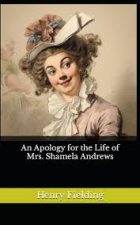
Pamela vs. Shamela: The Origin of the First Novelist Feud, and Still the Greatest

Pamela vs. Shamela: The Origin of the First Novelist Feud, and Still the Greatest  Part 1 about Pamela here. Richardson’s epistolary novel Pamela was an enormous bestseller in the 1740s. Naturally this attracted some envy and resentment among the burgeoning population of London “scribblers” who worked as essayists, playwrights, poets, and early novelists. Other writers

Pamela vs. Shamela: The Origin of the First Novelist Feud, and Still the Greatest Read More »

The Pre-modern Post-Modern Novelist: Samuel Richardson, I mean, “The Editor”

Pamela; or, Virtue Rewarded. In a Series of Familiar Letters from a Beautiful Young Damsel to her Parents. Now first published in order to cultivate the Principles of Virtue and Religion in the Minds of the Youth of both Sexes (1740) is not just one of the longest titles in novel history. It is one

The Pre-modern Post-Modern Novelist: Samuel Richardson, I mean, “The Editor” Read More »

Some “In-between” Inklings as I Re-read Pride and Prejudice

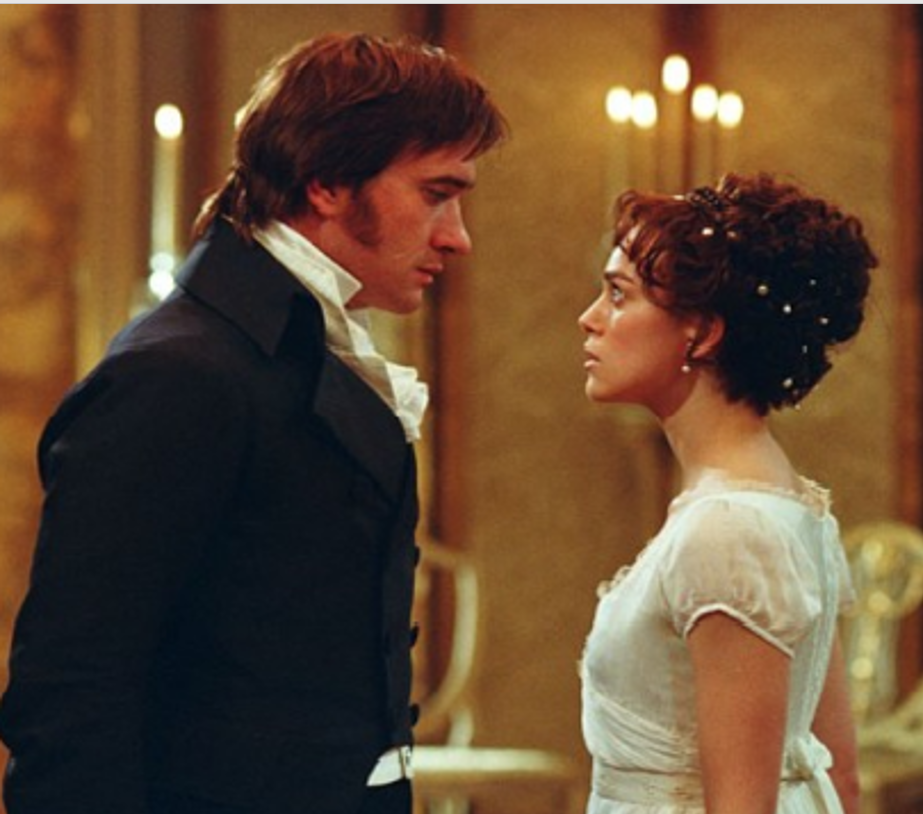
Some “In-between” Inklings as I Re-read Pride and Prejudice Various opinions I recall from past readings: Penguin Classics edition editor Tony Tanner, “This is a novel about how a man changes his manners and a woman changes her mind.” (What a great line. I wish I’d said that.) And from a (male) professor when I

Some “In-between” Inklings as I Re-read Pride and Prejudice Read More »

Murder in My Front Yard

Like so many perfectly nice law-abiding people, I listen to a lot of true crime podcasts. I’ve learned about a newish tool in the toolkit of detectives, “digital forensics,” which involves gathering all those “electronic breadcrumbs” we leave these days. The digital detectives get warrants for the suspect’s and victim’s electronics—the phone records, the GPS

Murder in My Front Yard Read More »

Those Cocky Cockneys and Their Rhymes

Those Cocky Cockneys and Their Rhymes As a fan of British mysteries, I’ve several times come across the term “brown bread.” Twice this was used by the working-class sergeants in Midsomer Murders, and also by Peter Grant, the Cockney magician/constable in Ben Aaronovitch’s great Rivers of London series. (Yes, he’s a constable with magical powers

Those Cocky Cockneys and Their Rhymes Read More »

SS Van Dine and the Rules of Detective Stories, Part 1

Know the Rules: If Only to Break Them I’m working on a mystery novel, part of my Regency CSI series, and so I’ve been looking for guidance on making the mystery really mysterious. What do you know, mystery writers just LOVE to create lists of rules for… other mystery writers. The fellas are particularly driven

SS Van Dine and the Rules of Detective Stories, Part 1 Read More »

Multiplicity and The Splintered Heart

Multiplicity   There’s a splinter of ice in the heart of every writer. Graham Greene — Do I contradict myself? Very well then, I contradict myself! (I am large, I contain multitudes.)   Walt Whitman — From the old joke— Patient: Doctor, I think I’m going crazy.  Sometimes I find that I’m talking to myself inside my

Multiplicity and The Splintered Heart Read More »